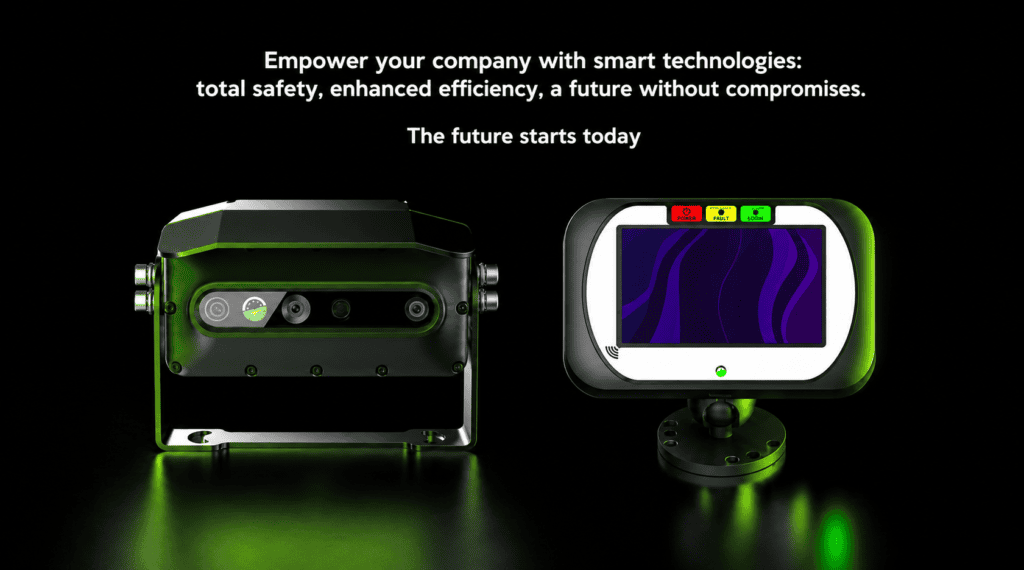
This collision avoidance system utilizes advanced technology to slow down trucks in areas with speed limits and when they’re near pedestrians and other forklifts. Additionally, the system tracks forklifts, assets, and people in real-time using cloud-based software, which improves efficiency and safety. Ultimately, this system helps protect our employees and assets.
Our digital solution is a truly revolutionary, offering an innovative solution to traditional safety measures. Proven to be reliable and durable, this system is easy to install and cost-effective. Its streamlined design makes it efficient and user-friendly, ensuring that your team will be able to use it with ease. With our system in place, you can trust that your workplace will be safe, secure, and ergonomic, thanks to its preventative measures
Mitigate the risk of vehicle Accident
In order to prevent accidents in warehouses and factories, companies can implement forklift safety system. This forklift safety systems utilize rules and technology to keep forklifts safe. According to the Institute for Occupational Safety and Health, there are 34,900 severe forklift accidents each year. However, by using a forklift safety system, OSHA estimates that about 70% of these accidents could be prevented.
Enhancing Forklift Safety Through Speed Reduction, Anti-Collision, and Impact Monitoring
In the ever-evolving landscape of industrial operations, safety remains paramount. Forklifts, indispensable tools in material handling, pose inherent risks to both operators and the environment. To mitigate these risks, forward-thinking companies are turning to advanced technologies like forklift speed reduction systems, anti-collision solutions, and impact monitoring mechanisms. In this chapter, we delve into these innovations that are revolutionizing forklift safety.
Forklift Speed Reduction for Enhanced Safety
One of the most critical aspects of forklift safety is controlling the speed at which these vehicles operate. Forklifts are designed to move efficiently but can become hazards when driven at high speeds in busy warehouses or manufacturing facilities. This is where forklift speed reduction systems come into play.
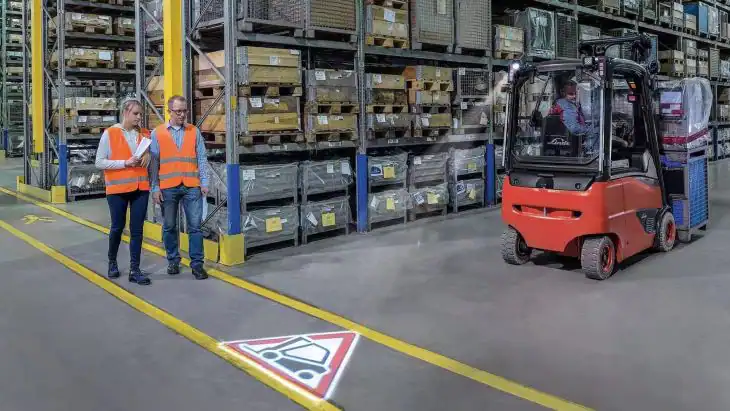
Forklift speed reduction systems utilize a combination of sensors, GPS technology, and onboard computers to monitor and control a forklift’s speed. These systems are programmed to automatically reduce a forklift’s speed in specific zones or when proximity sensors detect obstacles. By slowing down forklifts in high-traffic areas or near pedestrian zones, the risk of accidents is significantly reduced, making the workplace safer for everyone.
Anti-Collision Technology: Preventing Accidents Before They Happen
The integration of anti-collision technology in forklifts is a game-changer in warehouse safety. These systems employ a variety of sensors, such as ultrasonic, LiDAR, and radar, to detect nearby objects, including other forklifts, walls, and racks. When a potential collision is detected, the anti-collision system alerts the operator through visual and auditory cues and can even apply the brakes or adjust the steering to avoid the collision.
By effectively eliminating the “blind spots” that operators may have while maneuvering forklifts, anti-collision technology minimizes the chances of accidents caused by human error. This not only reduces the risk of injuries and property damage but also leads to increased productivity as forklift operators can focus on their tasks with greater confidence.
Impact Monitoring: Identifying and Addressing Damage
Even with the most advanced safety measures in place, accidents can occasionally occur. This is where impact monitoring comes into play. Impact sensors strategically placed on forklifts can detect and record instances of impact, whether with objects, equipment, or structures within the facility.
These sensors provide valuable data that can be used for incident analysis and preventive maintenance. By identifying impacts promptly, maintenance teams can assess and repair any damage to forklifts, racking systems, or other infrastructure. This proactive approach not only ensures the safety of future operations but also helps in reducing overall maintenance costs.
In conclusion, the combination of forklift speed reduction, anti-collision technology, and impact monitoring is reshaping safety standards in industrial environments. These innovations prioritize safety, reduce accidents, and enhance overall productivity. As businesses continue to prioritize employee well-being and operational efficiency, investing in these technologies is not just a choice; it’s a necessity in the modern workplace. Embracing these advancements paves the way for safer, smarter, and more efficient material handling operations.
3 Easy Steps to Reduce the Risk of Accidents and Ensure Safe Operations
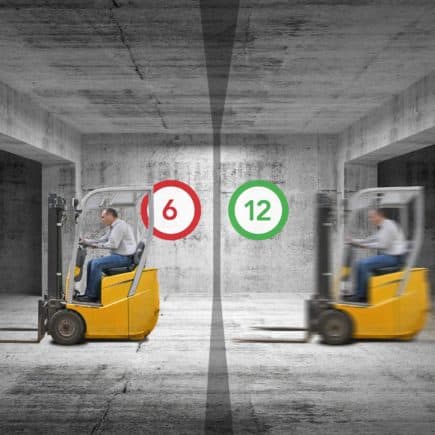
Forklift-Forklift
Utilizes high precision technology to detect the proximity of other vehicles and limit speed if necessary. Additionally, it provides signals to operators and uses AI to calculate collision risk in real-time for top-notch safety performance. Moreover, the system is capable of functioning both indoors and outdoors without the need for connectivity, and it is compatible with all types of forklifts, AGVs, and AMRs.
Forklift-Pedestrian
Employs high precision technology to detect pedestrians with wearable tags and limit forklift speed if necessary. Furthermore, it provides signals to operators and vibrating tags to warn pedestrians, including hearing-impaired workers. Moreover, the system is capable of functioning both indoors and outdoors without the need for connectivity, and it offers customizable wearable tags.
Forklift To Obstacle
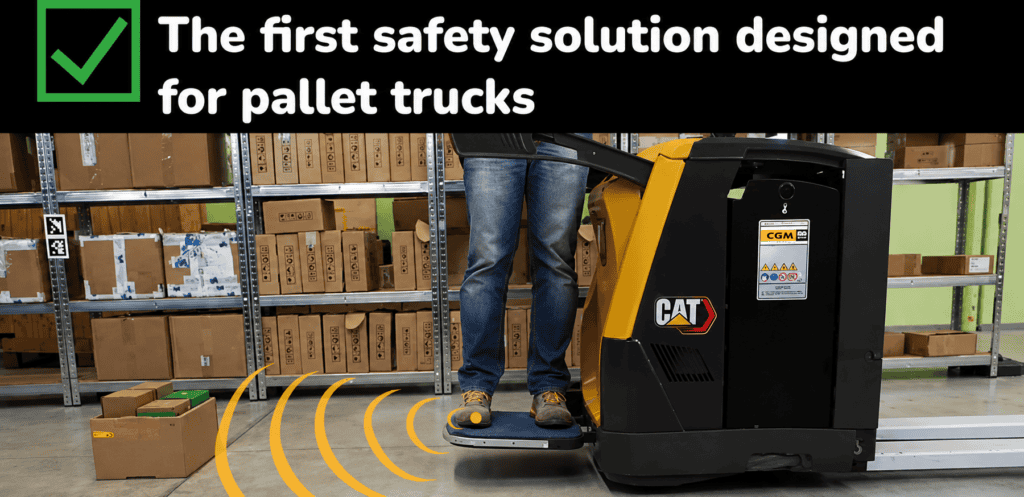
Given that narrow corridors, intersections, and areas with high pedestrian traffic pose a higher risk of forklift accidents, it is necessary to implement automatic speed control rules. Our zone-based forklift speed control system meets this need by allowing for a flexible speed limit configuration through fixed anchors and configurable ranging zones. Consequently, this system significantly reduces the risk of accidents and ensures a safe working environment.
Zone Based Speed Limit
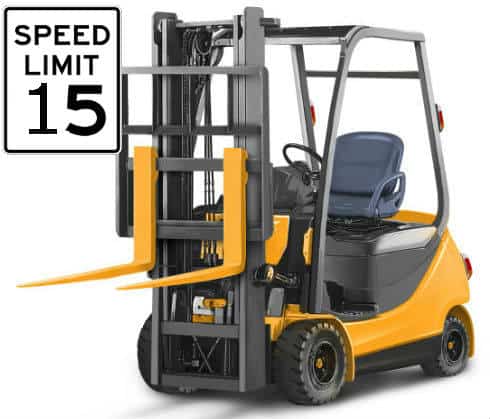
Given that narrow corridors, intersections, and areas with high pedestrian traffic pose a higher risk of forklift accidents, it is necessary to implement automatic speed control rules. Our zone-based forklift speed control system meets this need by allowing for a flexible speed limit configuration through fixed anchors and configurable ranging zones. Consequently, this system significantly reduces the risk of accidents and ensures a safe working environment.
Revolutionize your workplace with real-time data capture from our forklift safety system!
Trusted By Leading Brands